I respectfully acknowledge the Wurundjeri people as the traditional custodians of the unceded lands, waters and skies where my studio is situated, and pay respects to their elders past and present and emerging and the stolen generations.
Snap Dress Protoype 01
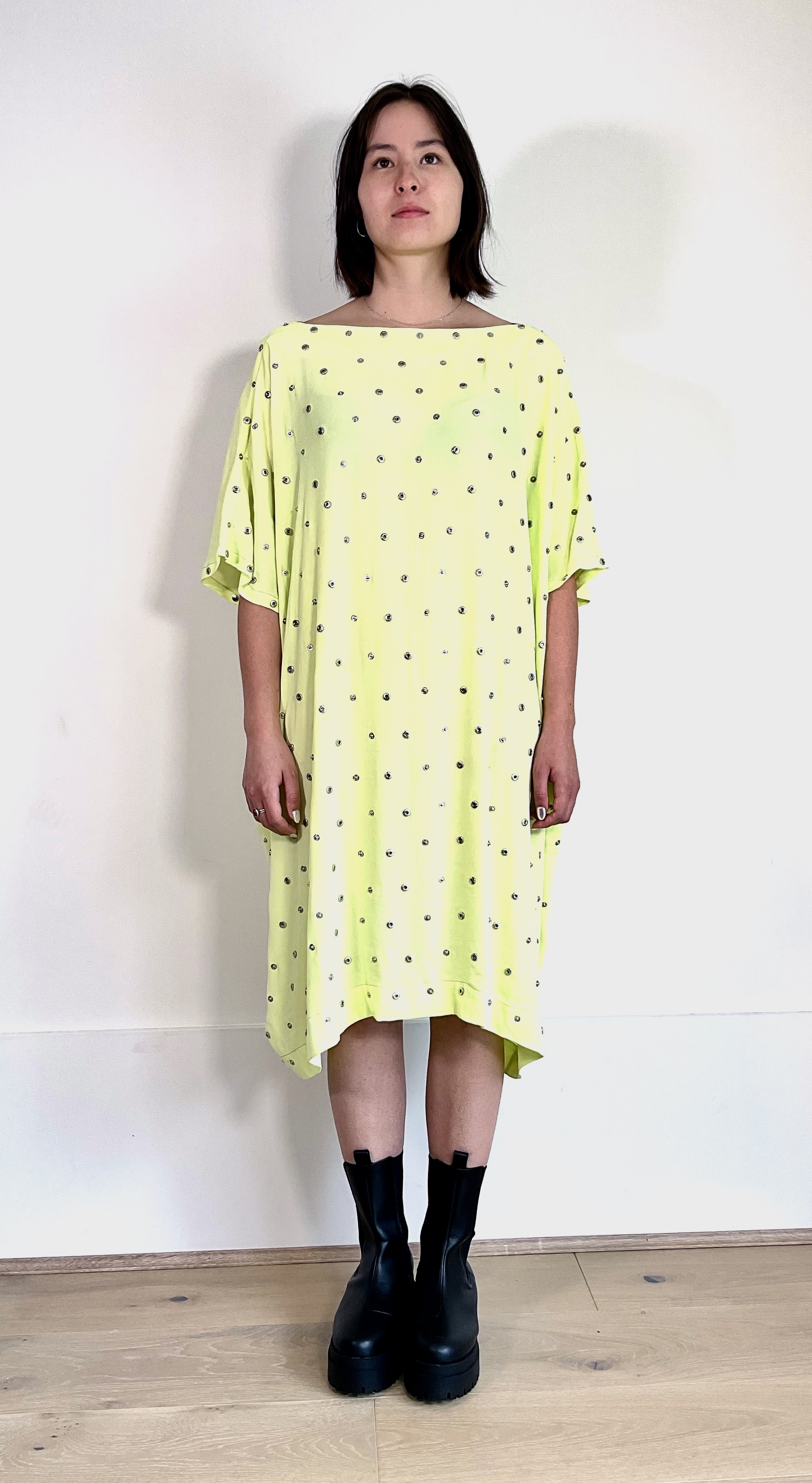
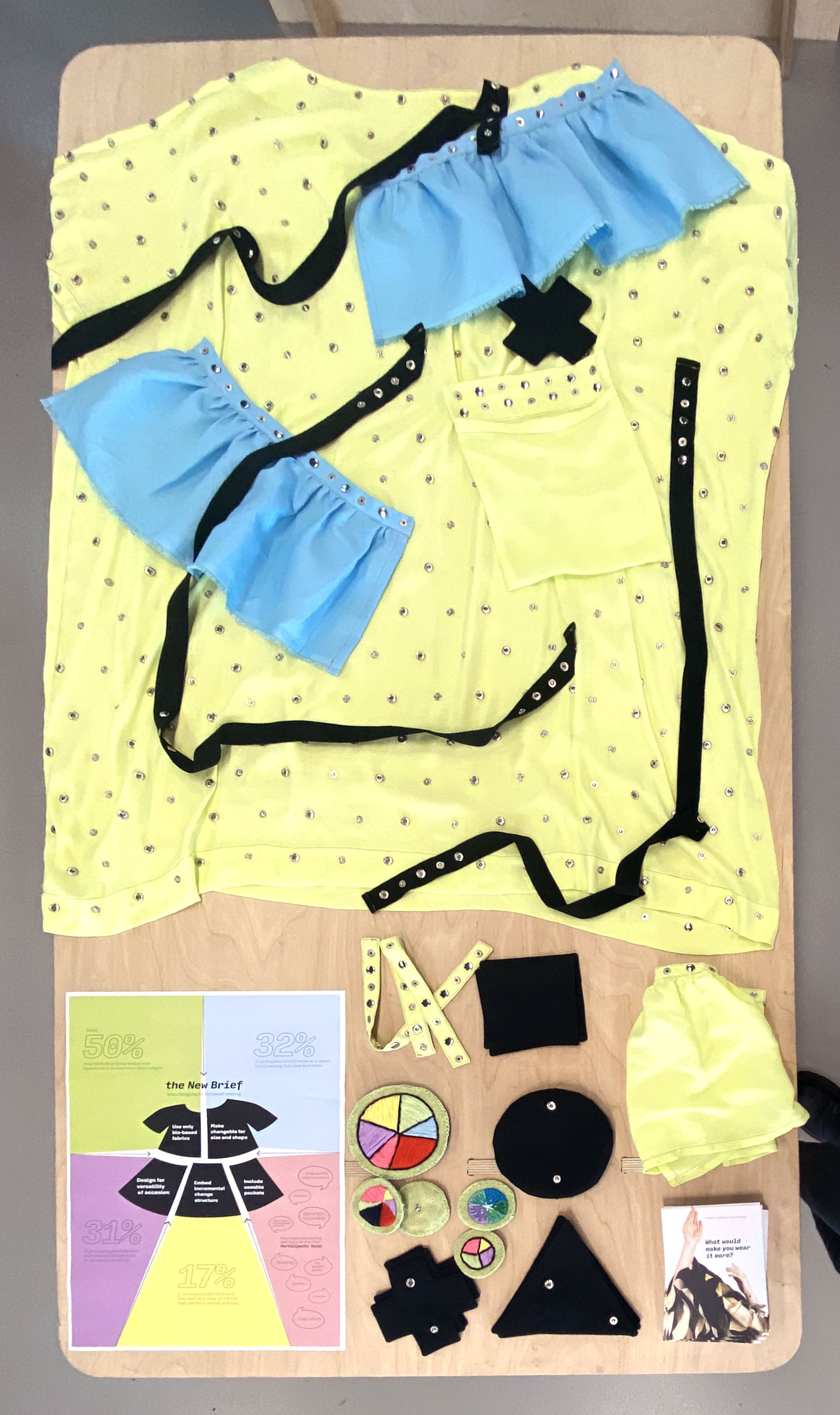
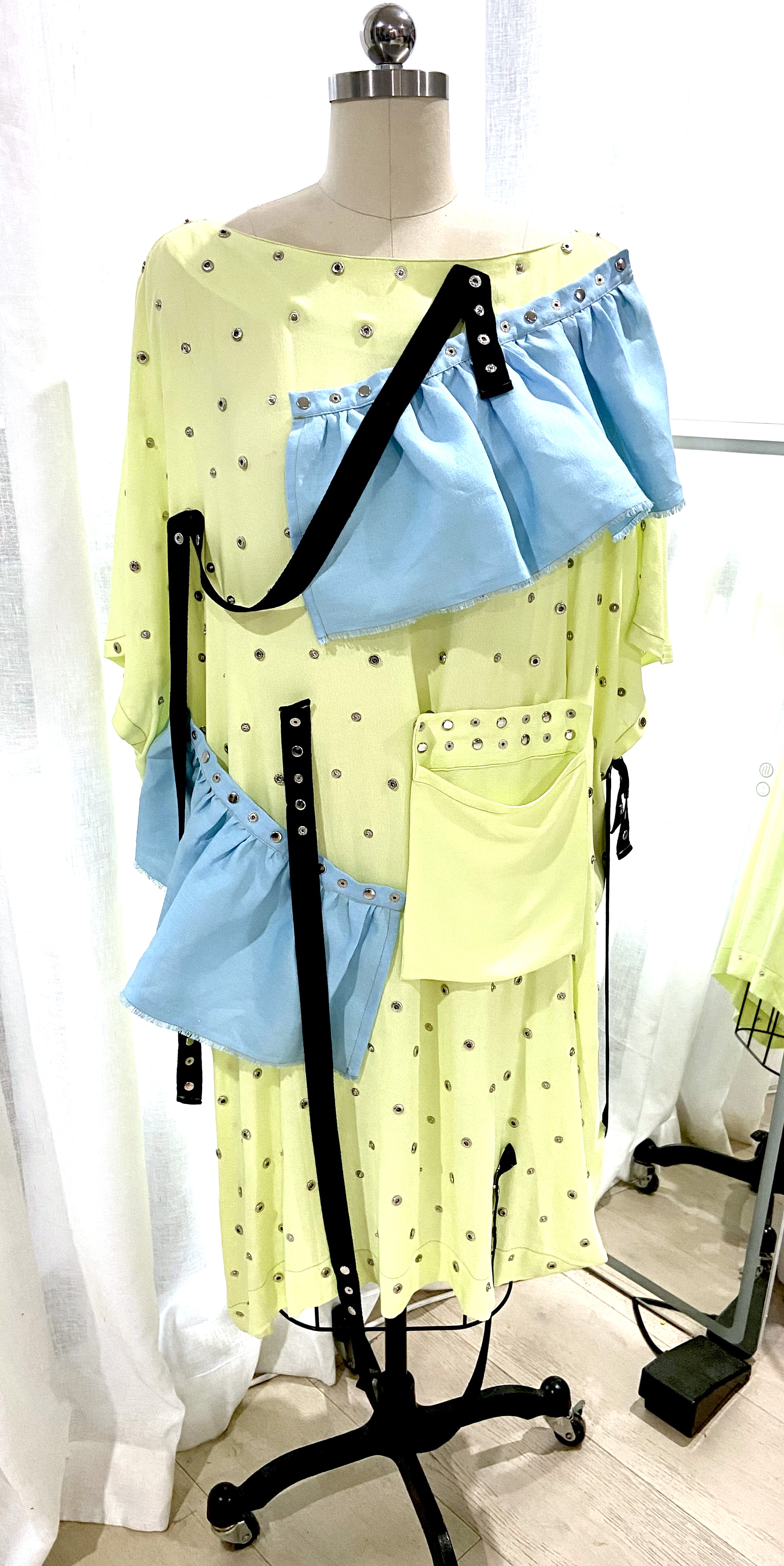
The snap dress prototype 01 explored how open fashion design can create opportunities for ongoing interaction between garment and wearer. Designed with a generous boxy silhouette, the dress accommodates a wide range of body shapes and sizes while providing a flexible foundation for experimentation and adaptation.
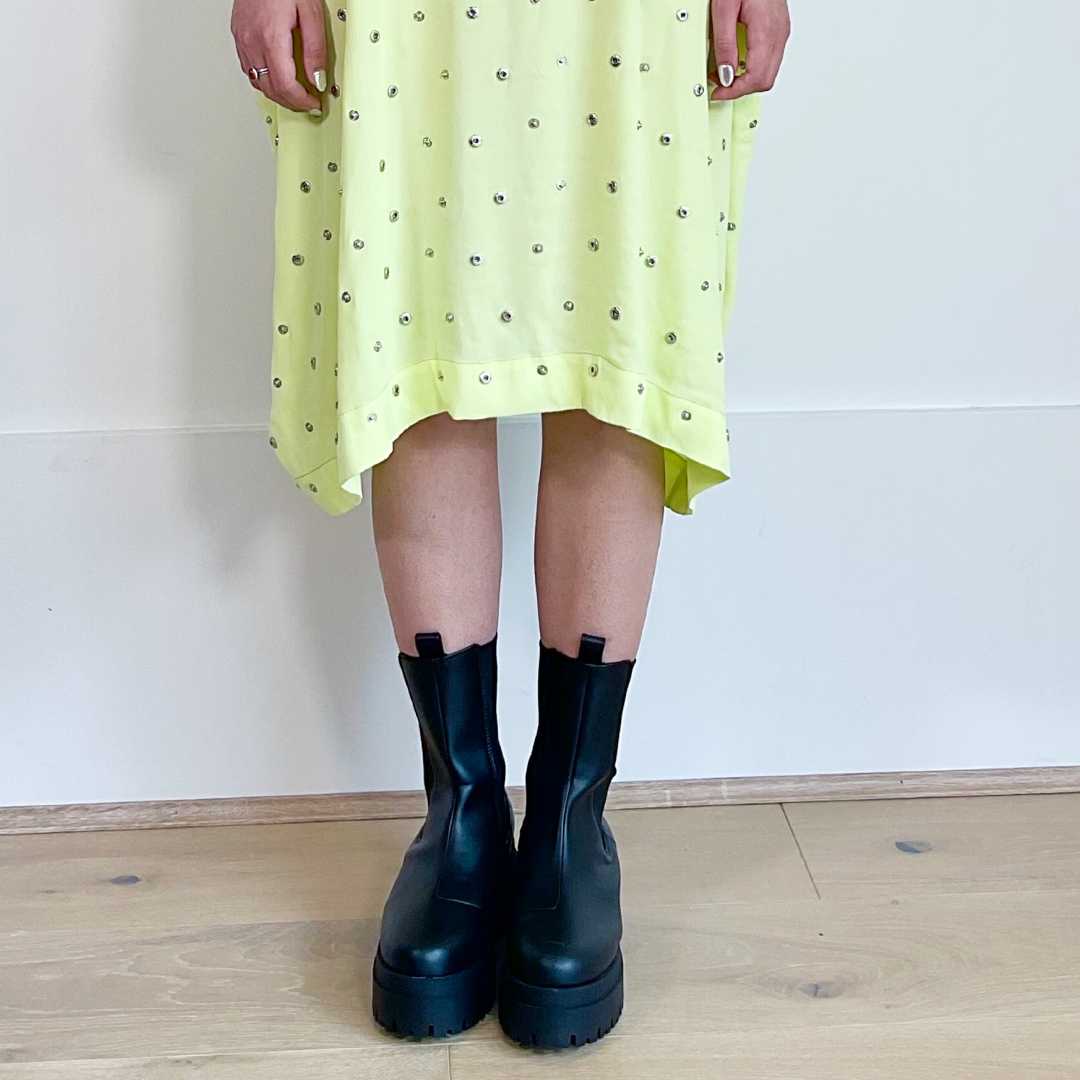
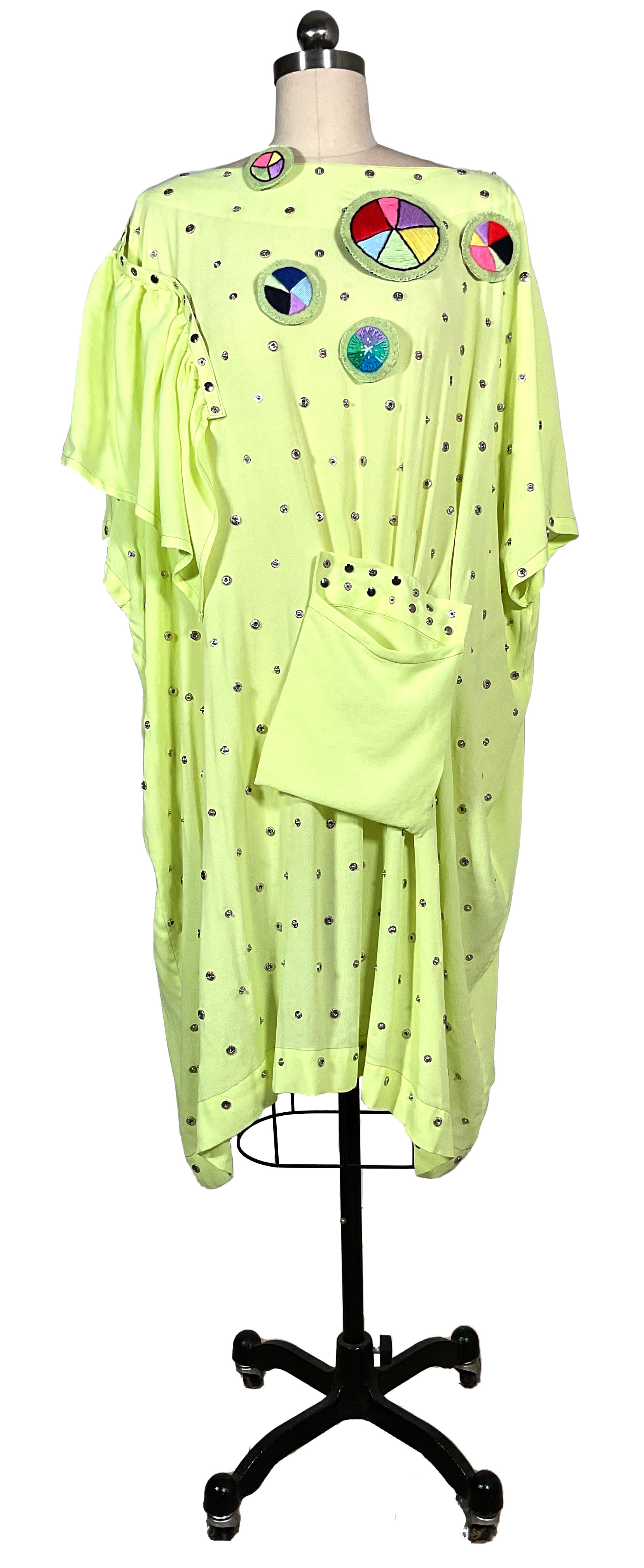
The prototype featured a grid of metal snaps distributed across the surface of the garment. These snaps allow sections of the dress to be connected in different ways, enabling the wearer to alter the silhouette, volume, and drape. They also provide attachment points for additional components, allowing the garment to evolve through the addition of new elements and configurations over time.
Constructed from deadstock lyocell, the design investigates clothing as an open and changable system rather than a fixed object. By encouraging wearers to modify and reinterpret the garment, the prototype challenges conventional notions of authorship and invites participation in design an wearing practices. The prototype served as an early investigation into how open products, may create opportunities for garments to remain relevant within a wardrobe and contexts of wear.