I respectfully acknowledge the Wurundjeri people as the traditional custodians of the unceded lands, waters and skies where my studio is situated, and pay respects to their elders past and present and emerging and the stolen generations.
Digital Prototypes
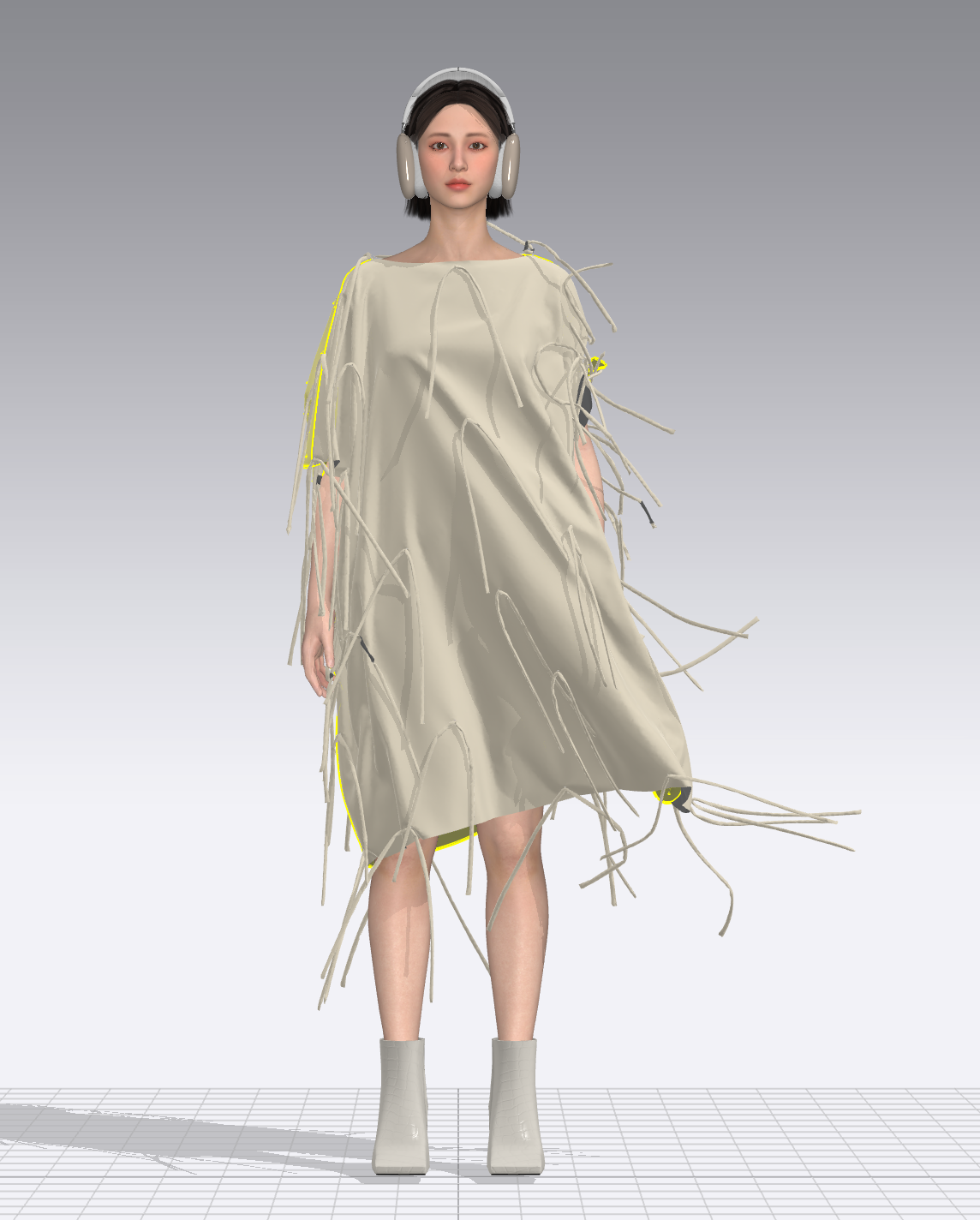
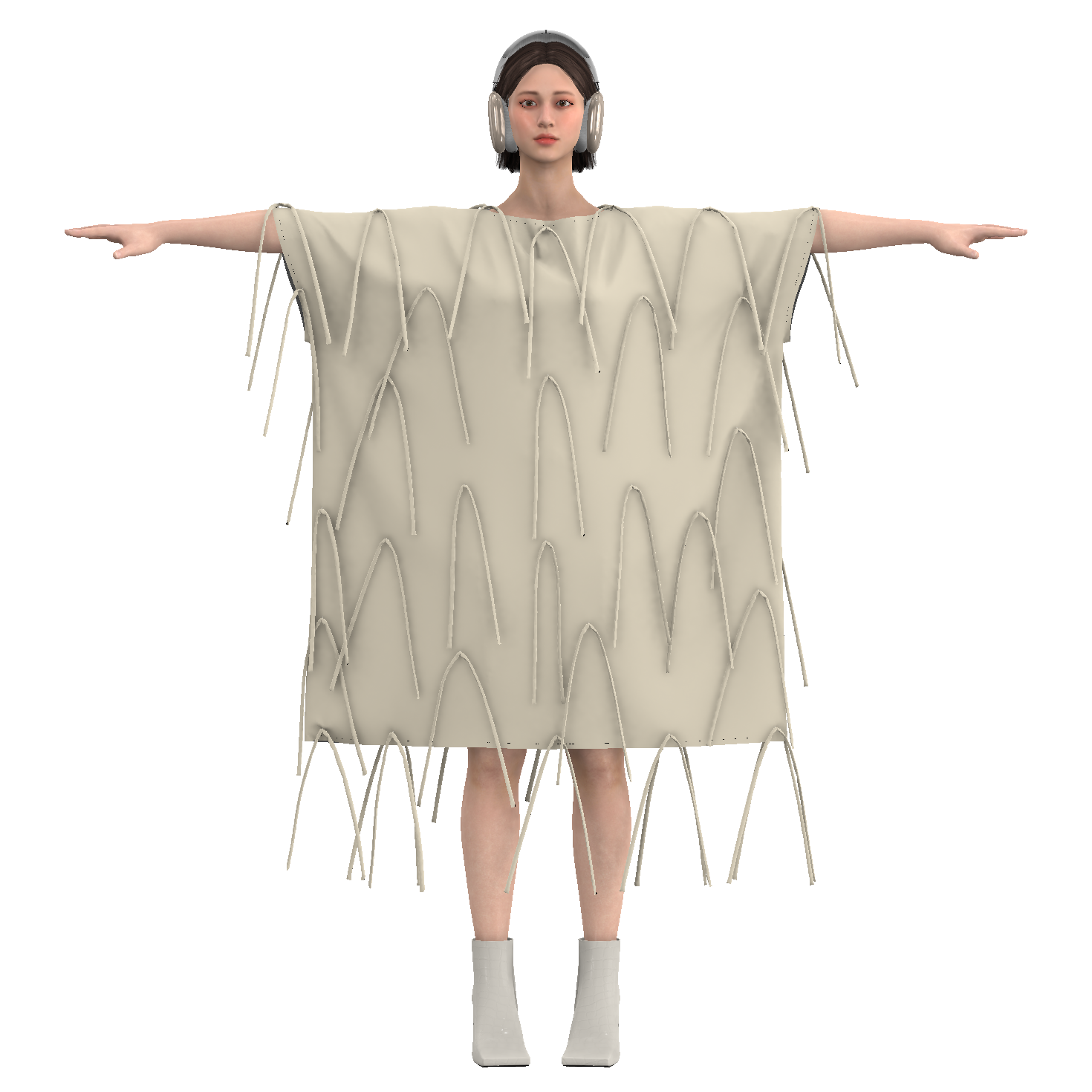
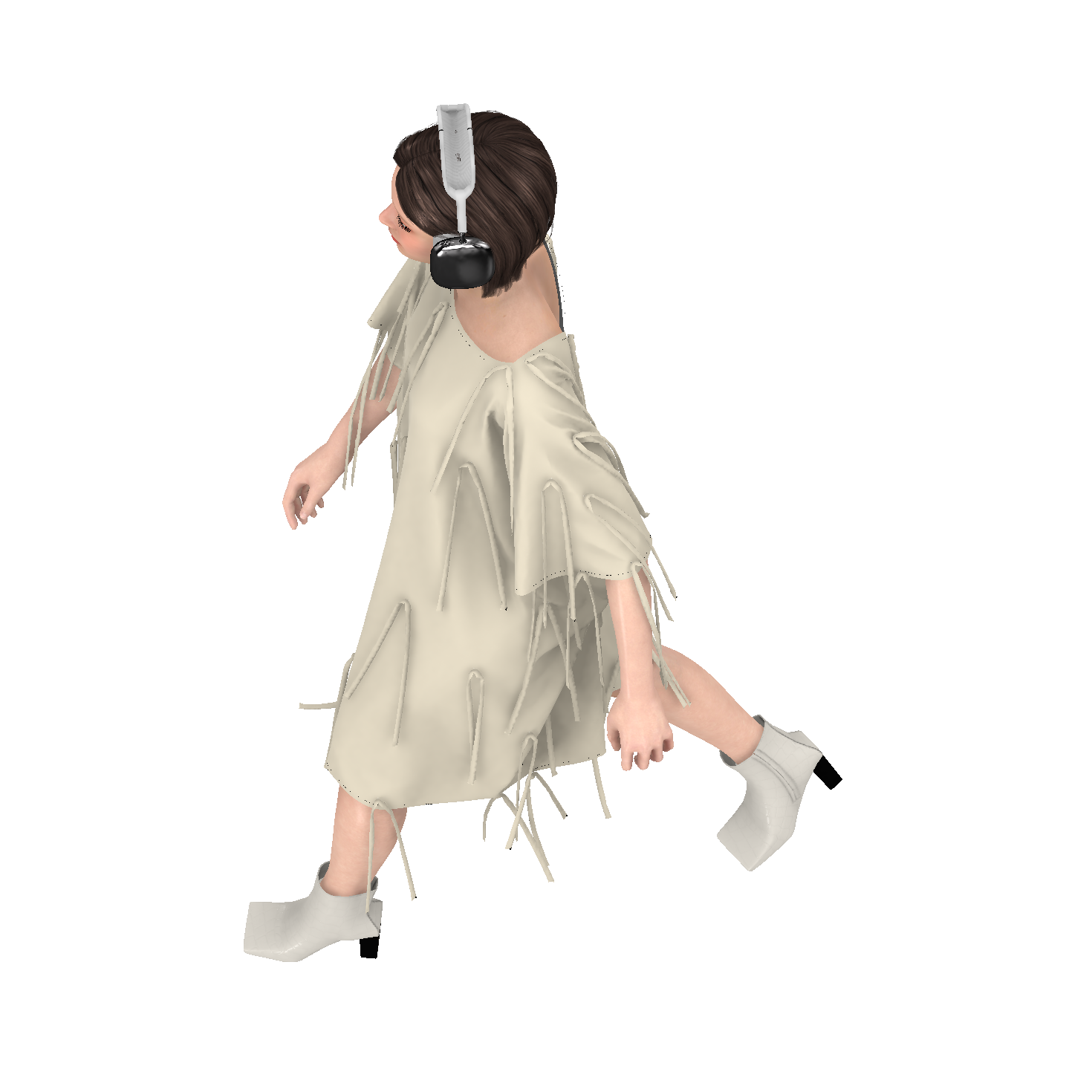
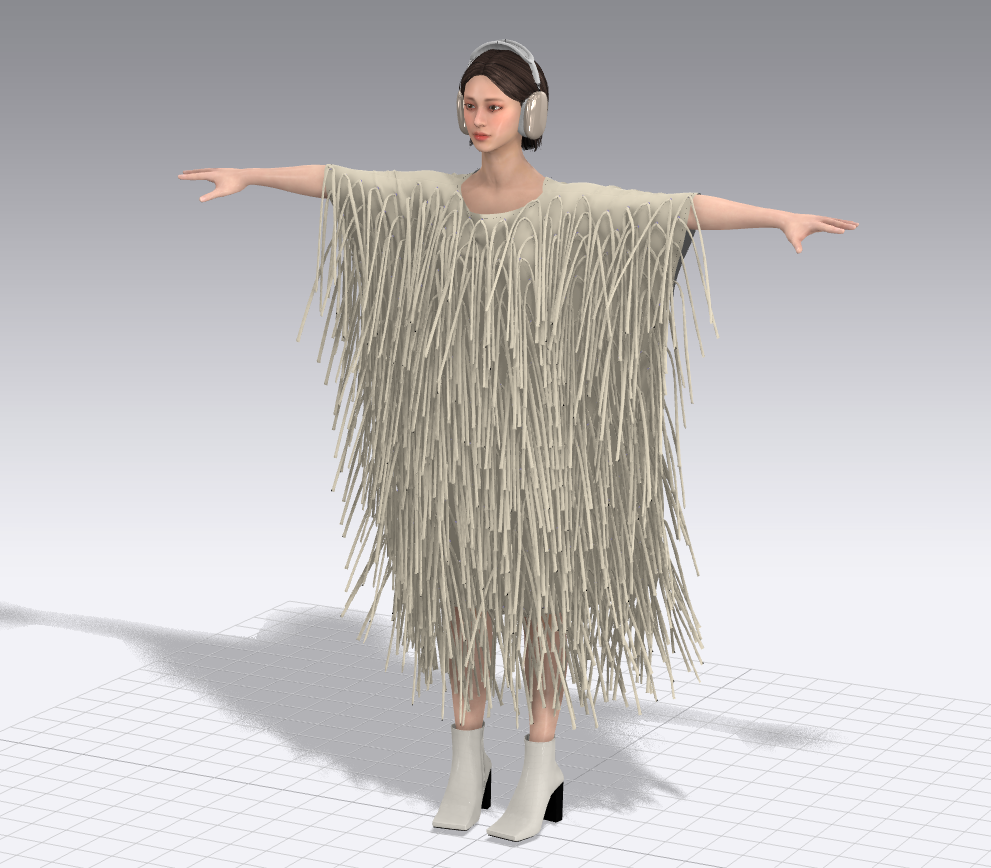
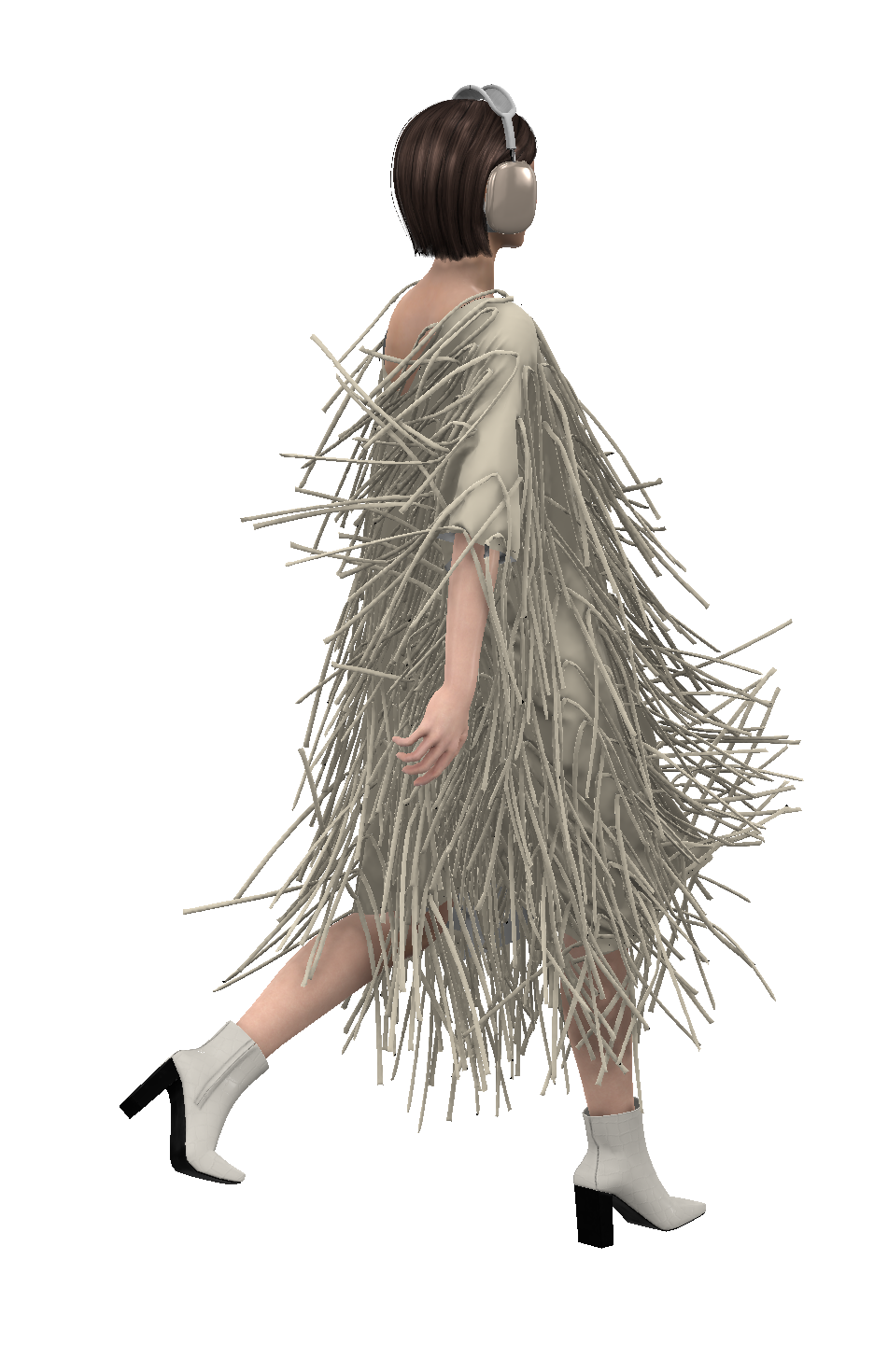
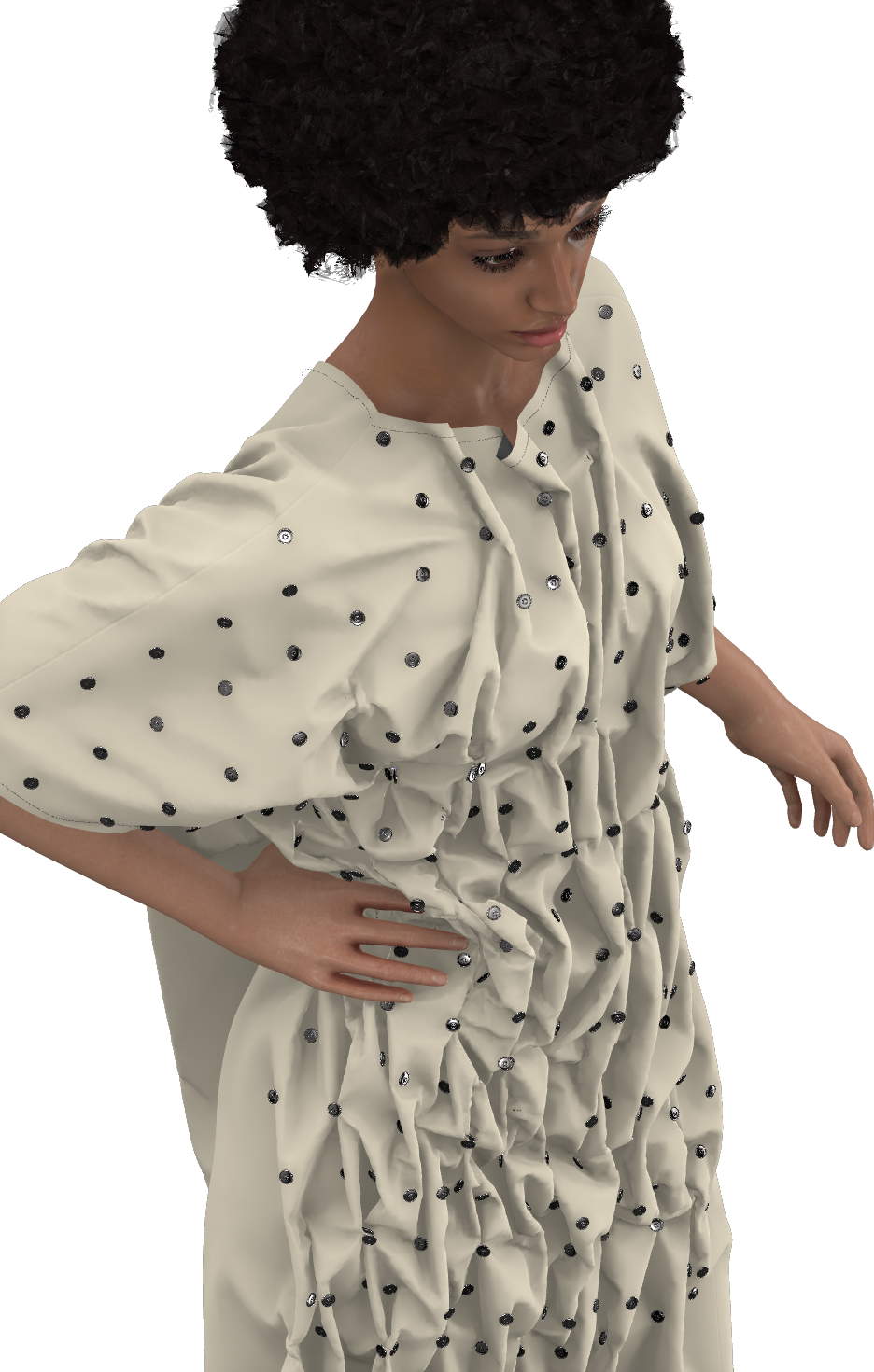
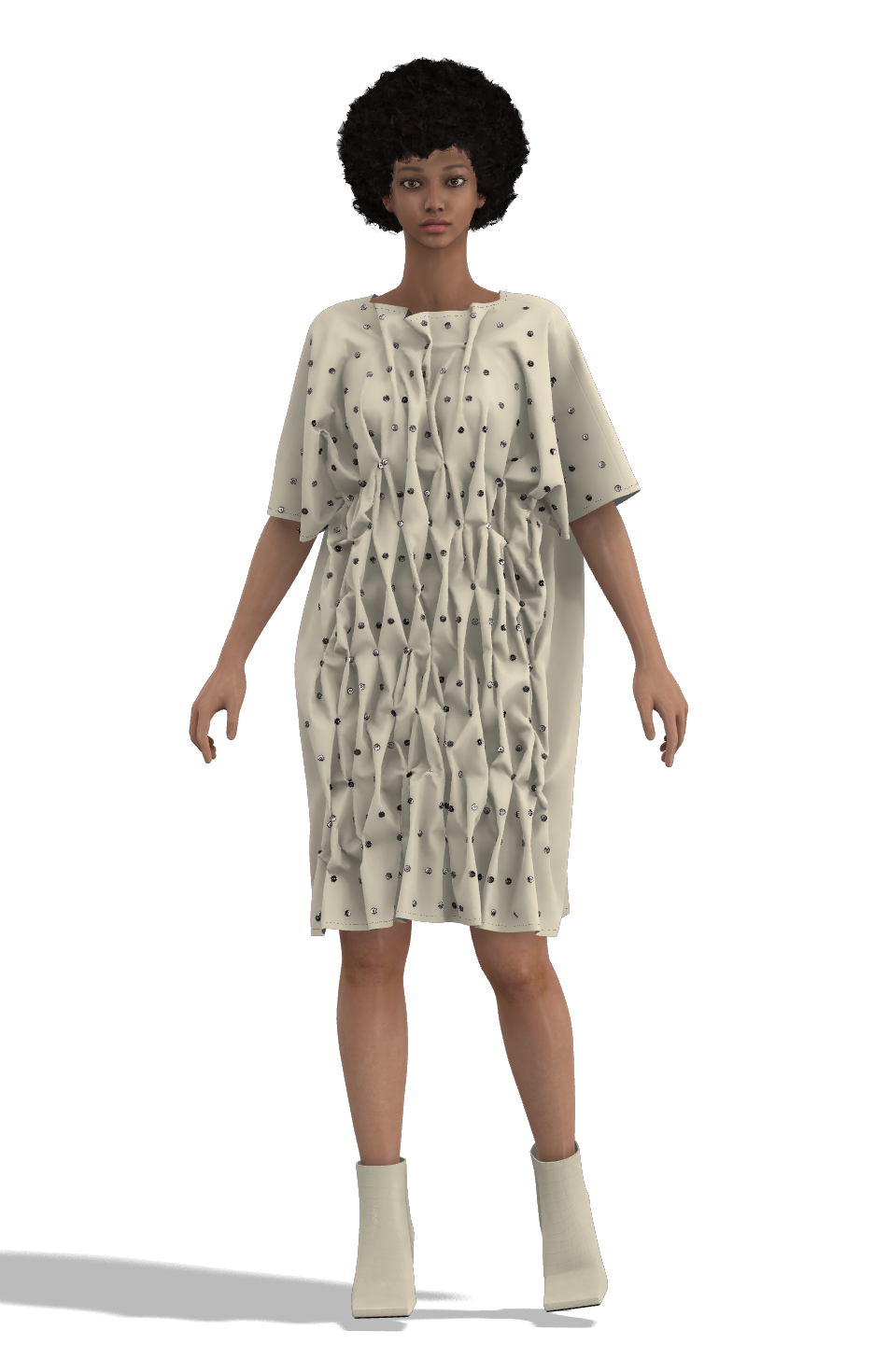
Rather than functioning solely as a technical tool, CLO-3D became part of the design process. Digital prototypes provided a space for experimentation, allowing ideas to evolve through cycles of reflection and redesign. This enabled a greater number of design possibilities to be explored than would normally be practical through physical prototyping alone, helping to identify opportunities and challenges before garments are produced.
The use of digital prototyping also reflects a growing shift within fashion design toward more sustainable development practices. By reducing the need for repeated physical samples, digital workflows can help minimise material consumption and support more efficient design processes. For this research, digital and physical prototyping worked in tandem, with virtual garments informing the development of physical prototypes and physical wear experiences, in turn, informing subsequent digital iterations.
Through this process, digital prototyping became a valuable method for investigating how garments might be designed not as fixed products, but as systems that respond to the changing needs of wearers. It supported the exploration of clothing that could evolve over time, encouraging ongoing interaction between designer, garment, and wearer while contributing to a more reflective approach to fashion design.