
I respectfully acknowledge the Wurundjeri people as the traditional custodians of the unceded lands, waters and skies where my studio is situated, and pay respects to their elders past and present and emerging and the stolen generations.
Wardrobe Maths Calculator
The Wardrobe Maths Calculator was developed to help people better understand the environmental value of clothes they already own. By entering how many pieces and how often those garment types are worn, the calculator estimates the minimum number of years clothing needs to remain in active use to offset its average carbon footprint.
Rather than focusing on what to buy next, the calculator encourages a shift in perspective towards what is already hanging in your wardrobe. It highlights the relationship between clothing use and environmental impact, helping individuals recognise the value embedded in each garment and the role that regular wear plays in improving sustainability outcomes.
The Wardrobe Maths Calculator was developed to help people better understand the environmental value of clothes they already own. By entering how many pieces and how often those garment types are worn, the calculator estimates the minimum number of years clothing needs to remain in active use to offset its average carbon footprint.
Rather than focusing on what to buy next, the calculator encourages a shift in perspective towards what is already hanging in your wardrobe. It highlights the relationship between clothing use and environmental impact, helping individuals recognise the value embedded in each garment and the role that regular wear plays in improving sustainability outcomes.
The calculator is designed to support more informed wardrobe decisions, whether that means wearing existing garments more often, identifying underutilised garment types, or reflecting on future acquisitions. While the estimates provide a useful benchmark, every additional wear extends the value of a garment and contributes to a longer, more meaningful clothing life.
The Wardrobe Maths Calculator also forms part of an ongoing research project. Users have the option to anonymously share their wardrobe data, contributing to a growing understanding of clothing ownership, garment quantities, wardrobe composition, and wearing practices across diverse groups of people. This collective data helps inform future fashion sustainability research, design strategies, and initiatives aimed at supporting longer-lasting relationships between people and their clothes.


Wardrobe Maths is a research project developed through Torrens University Australia.
Snap Dress Prototype 02
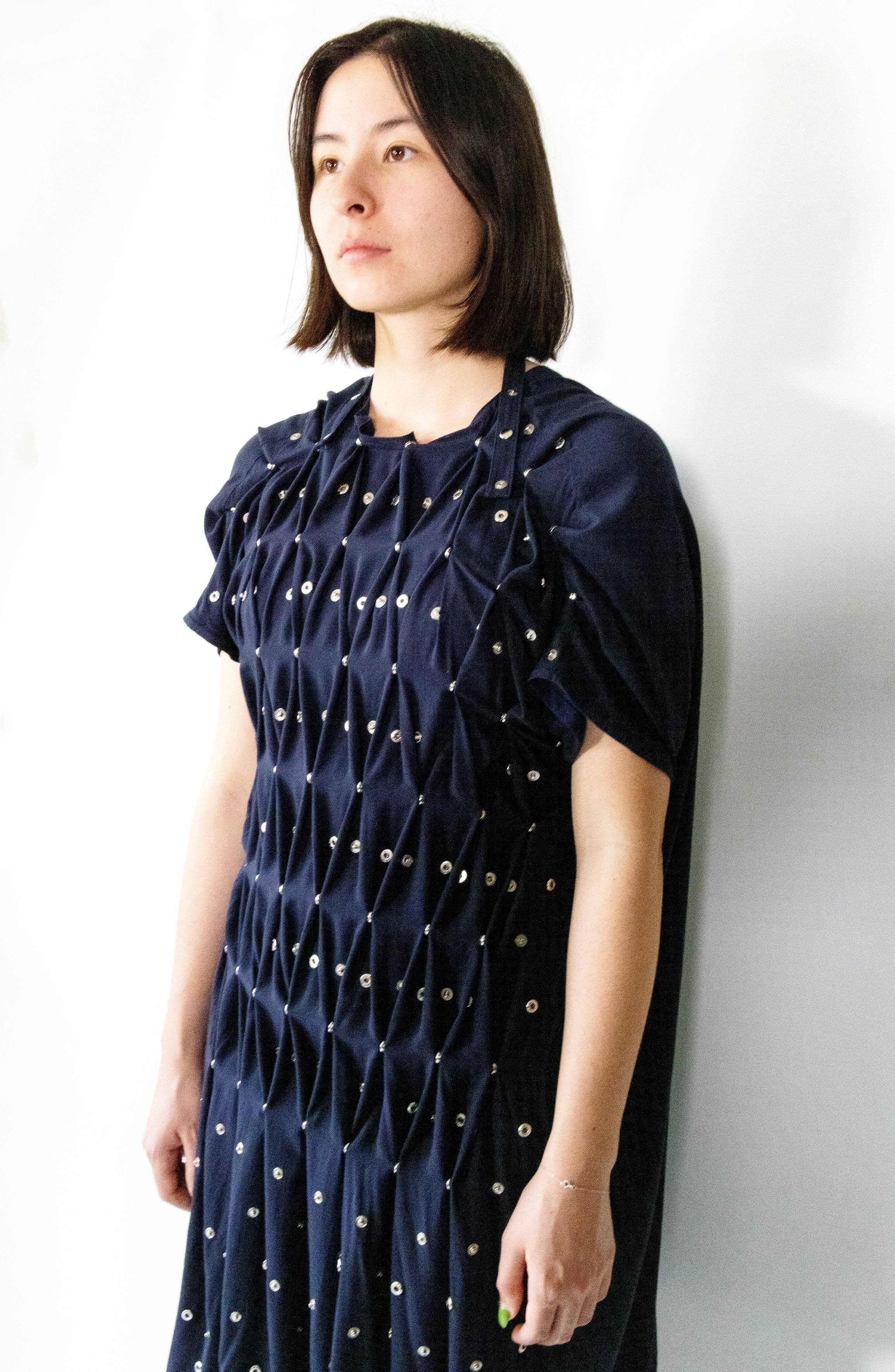
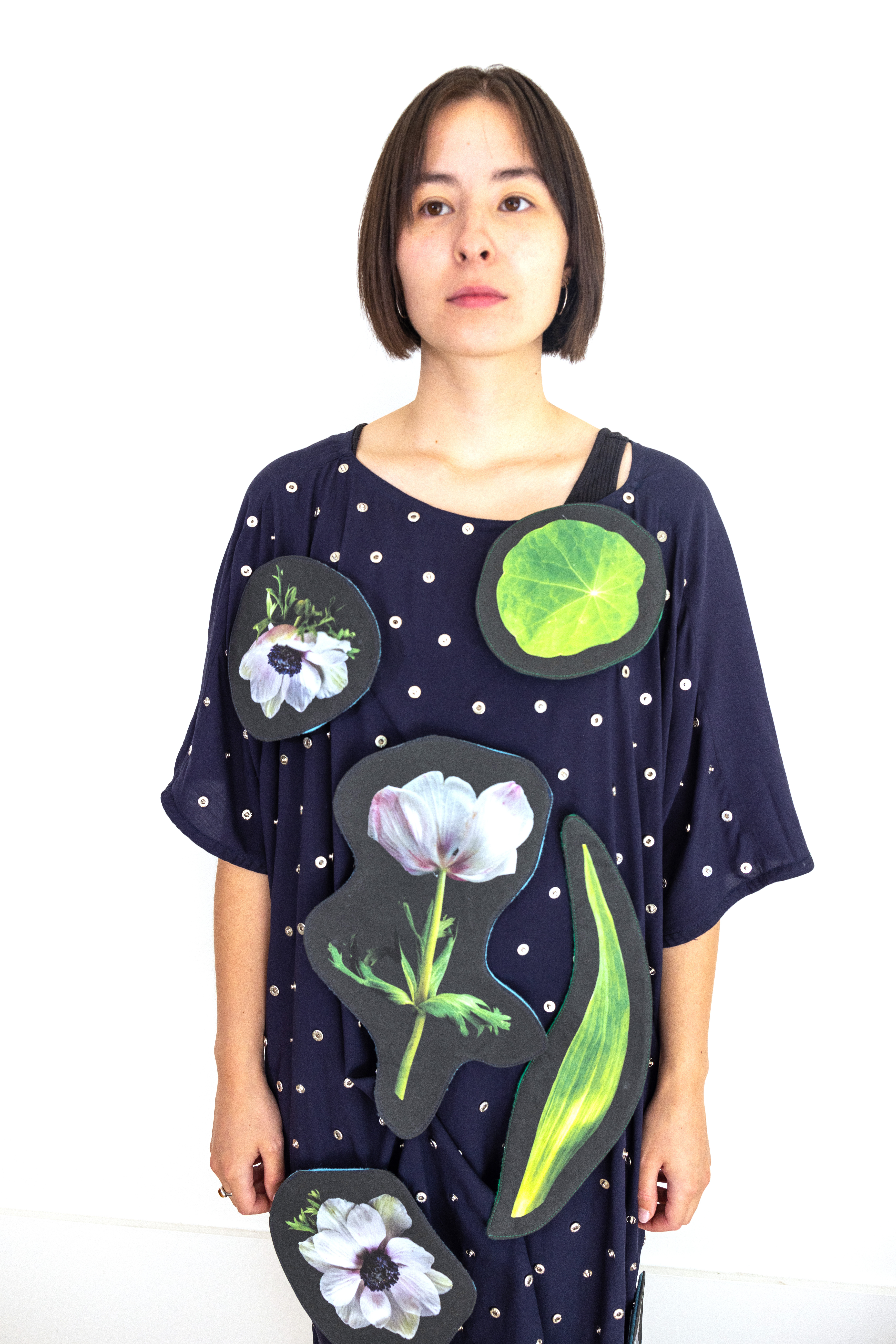
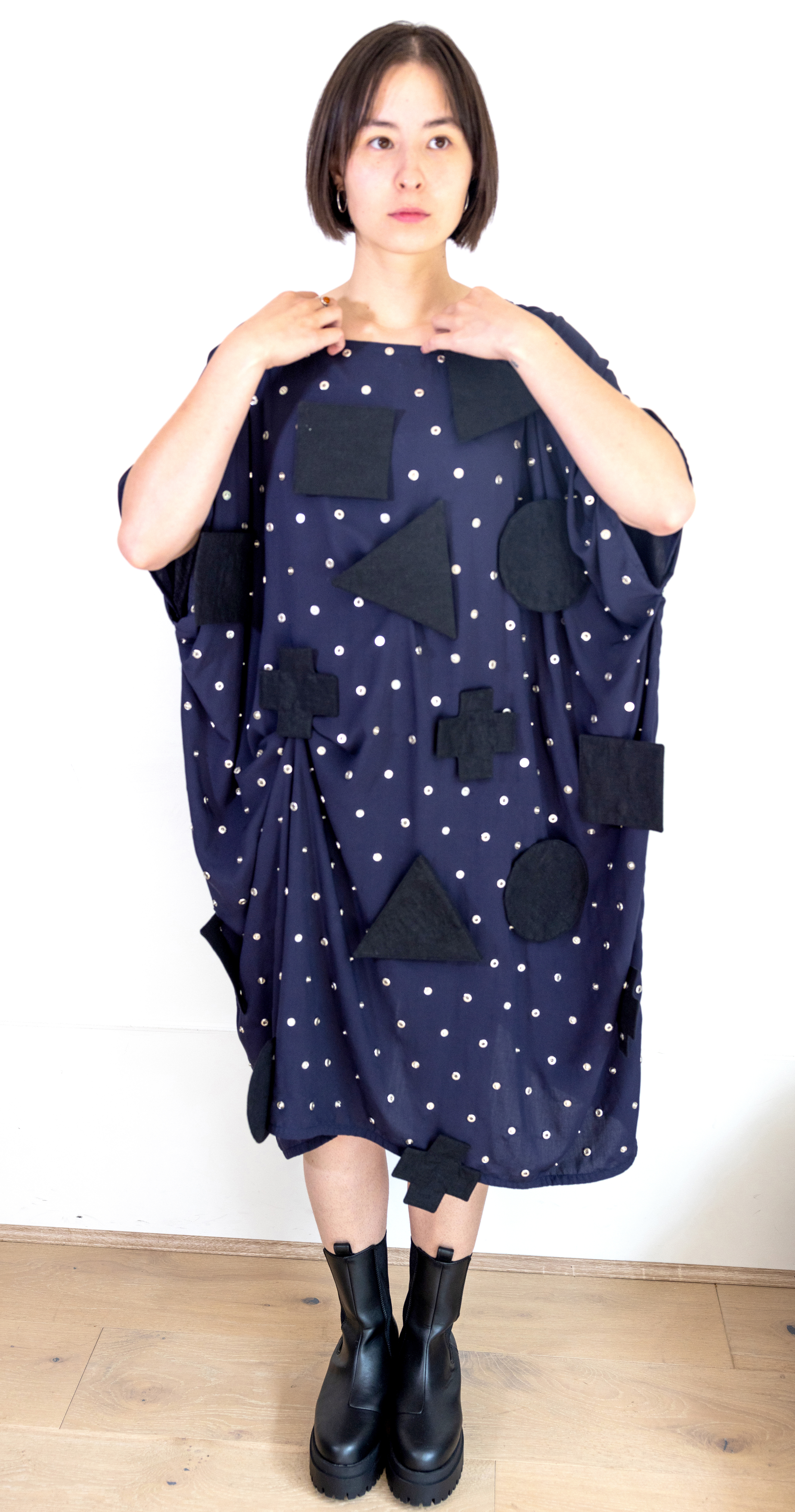
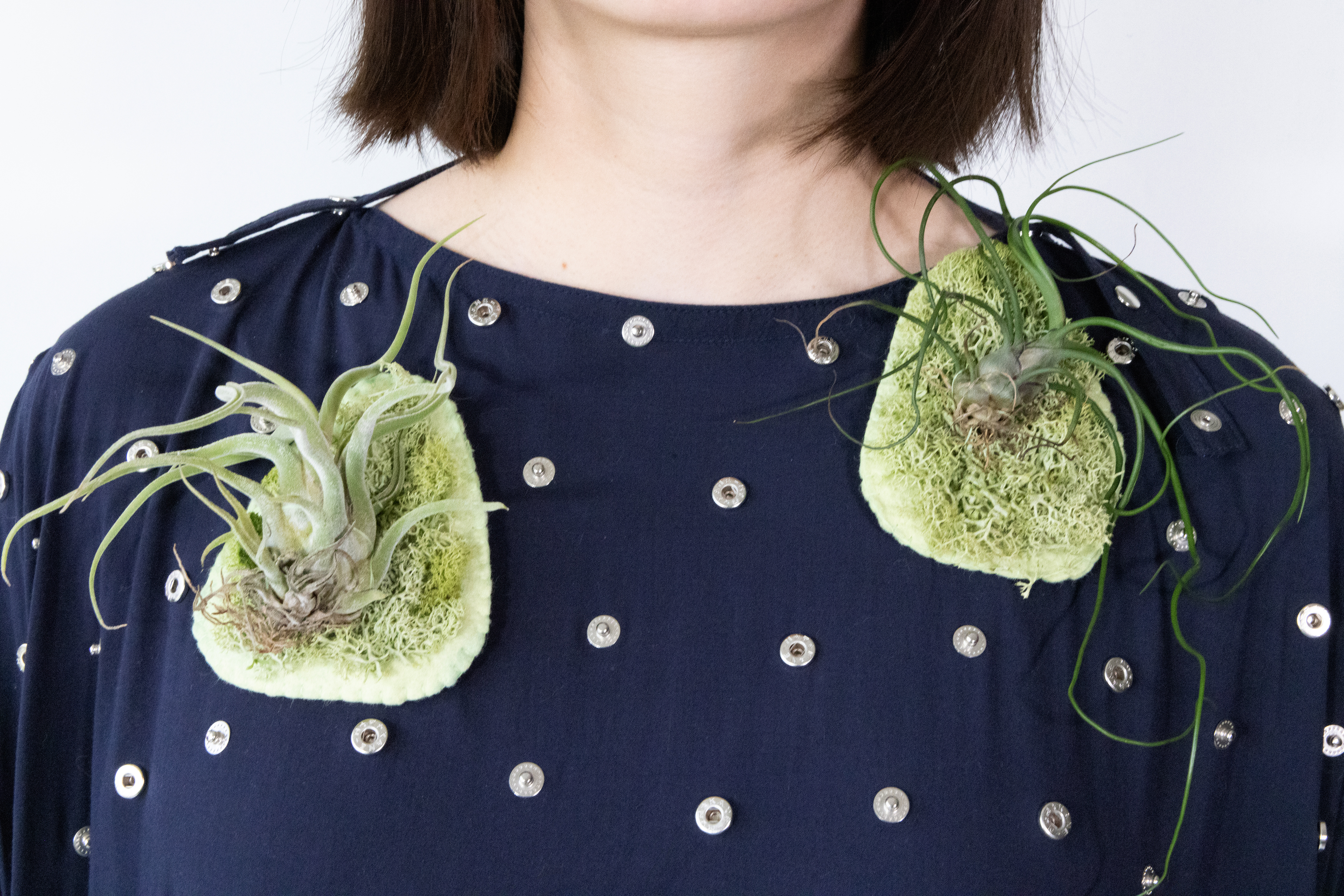
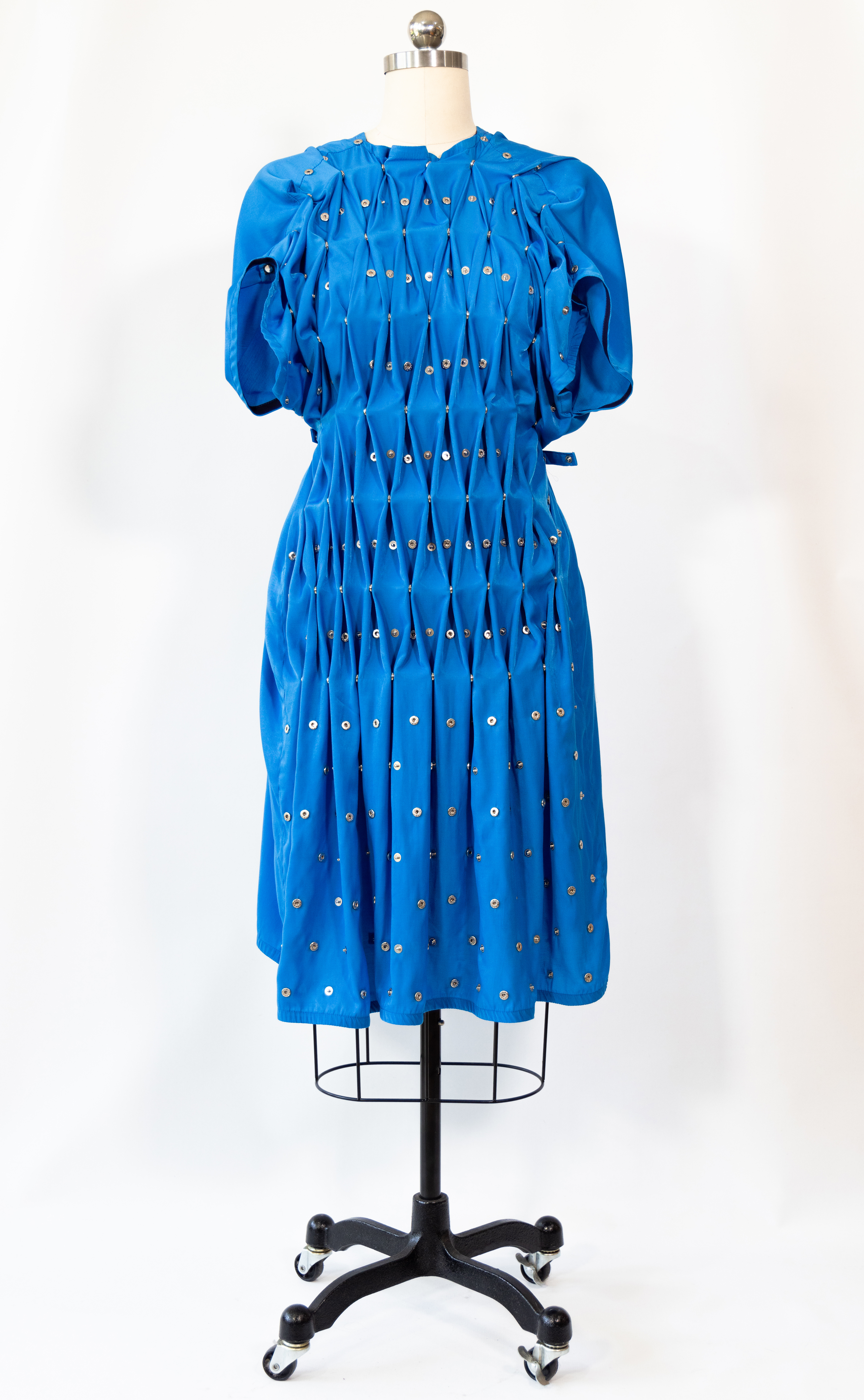
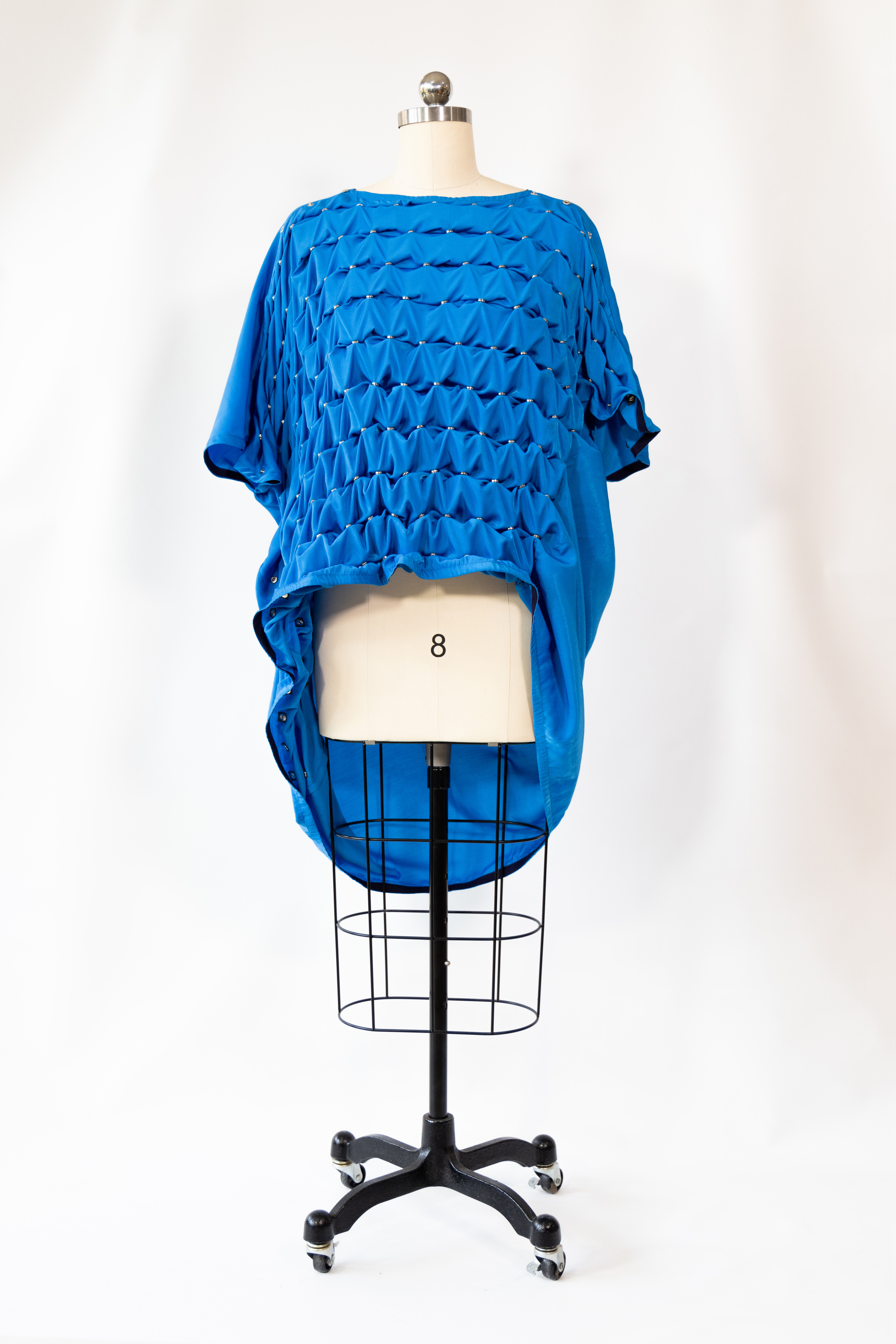
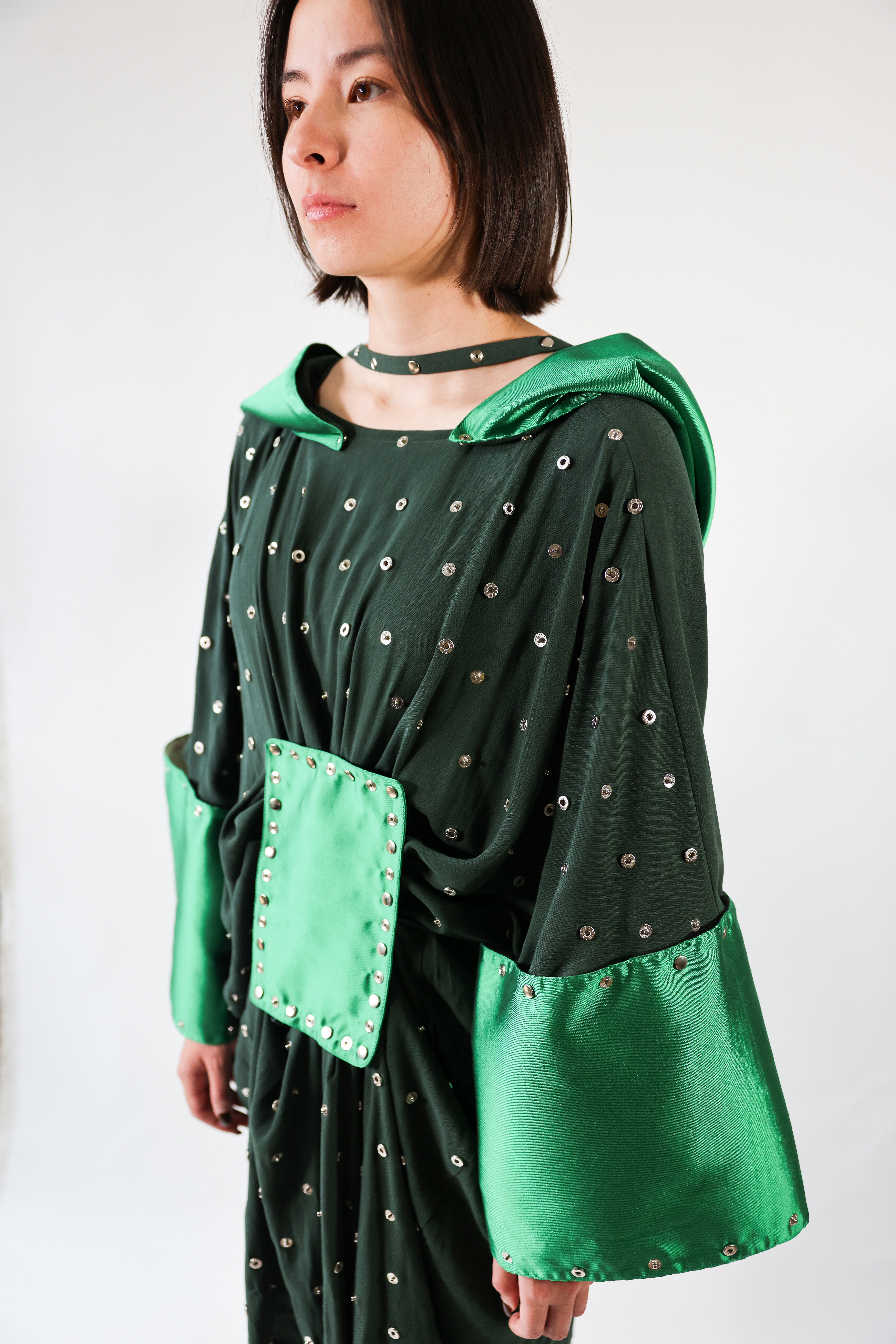
This prototype investigated how open fashion design can support ongoing interaction between garment and wearer. Designed with an oversized, adaptable silhouette, the dress can be worn by a wide range of body shapes and sizes. A network of metal snaps distributed across the garment enables the wearer to modify its shape, proportions, and fit, while also creating opportunities to attach additional components and introduce new configurations over time.
Constructed from deadstock lyocell, or a blend of hemp and silk, the prototypes explored clothing as an open and evolving system rather than a fixed final product. By inviting wearers to actively participate in altering the garment, the design examines how transformability could foster personal expression, versatility, and longer-term engagement with clothing.
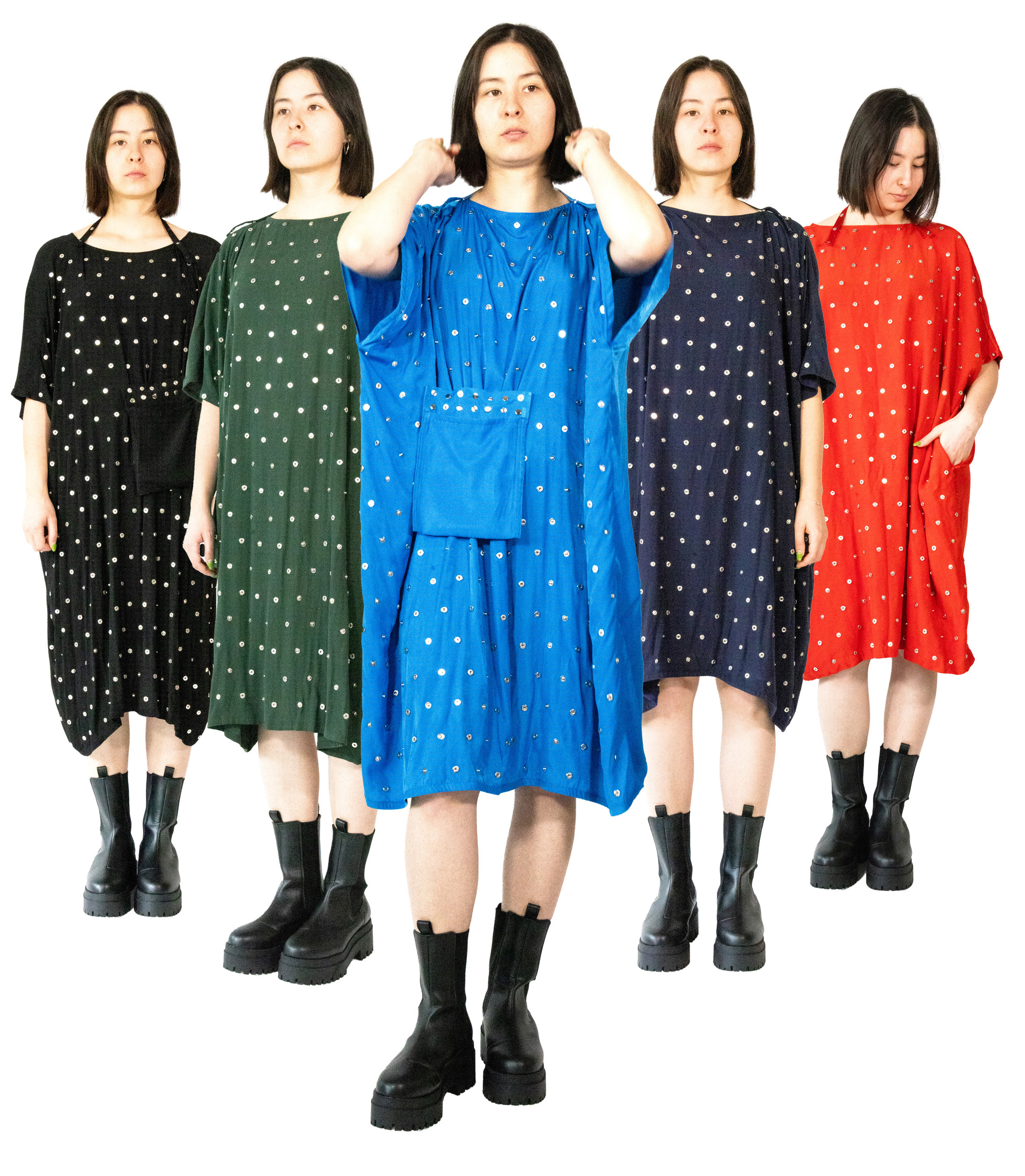
As part of a PhD research project, five versions of the dress were produced and distributed to participants for a three-month wearing study known as the Wearing Challenge. Participants incorporated the dress into their everyday lives and shared weekly reflections on their experiences. This extended engagement provided valuable insights into wearing practices, positioning the dress as both a wearable artefact and a research tool for understanding how clothing is lived, negotiated, and experienced over time.
This prototype investigated how open fashion design can support ongoing interaction between garment and wearer. Designed with an oversized, adaptable silhouette, the dress can be worn by a wide range of body shapes and sizes. A network of metal snaps distributed across the garment enables the wearer to modify its shape, proportions, and fit, while also creating opportunities to attach additional components and introduce new configurations over time.
Constructed from deadstock lyocell, or a blend of hemp and silk, the prototypes explored clothing as an open and evolving system rather than a fixed final product. By inviting wearers to actively participate in altering the garment, the design examines how transformability could foster personal expression, versatility, and longer-term engagement with clothing.
As part of a PhD research project, five versions of the dress were produced and distributed to participants for a three-month wearing study known as the Wearing Challenge. Participants incorporated the dress into their everyday lives and shared weekly reflections on their experiences. This extended engagement provided valuable insights into wearing practices, positioning the dress as both a wearable artefact and a research tool for understanding how clothing is lived, negotiated, and experienced over time.


The New Brief
Dresses account for approximately a quarter of Australian wardrobes (Khan, Shaw & Bandara 2022), making them one of the most commonly owned garment types. Yet despite their prevalence, they are worn less frequently than any other clothing category. This paradox raises important questions about how dresses are designed, purchased, and experienced in everyday life.
The Dress Audit Survey formed the first phase of my PhD research. Conducted as a digital wardrobe study, it invited participants to reflect on both their most-worn and least-worn dresses, exploring factors that encourage or discourage ongoing use. By examining garments at opposite ends of the wearing spectrum, the research uncovered recurring themes relating to fit, occasion and style.
Dresses account for approximately a quarter of Australian wardrobes (Khan, Shaw & Bandara 2022), making them one of the most commonly owned garment types. Yet despite their prevalence, they are worn less frequently than any other clothing category. This paradox raises important questions about how dresses are designed, purchased, and experienced in everyday life.
The Dress Audit Survey formed the first phase of my PhD research. Conducted as a digital wardrobe study, it invited participants to reflect on both their most-worn and least-worn dresses, exploring factors that encourage or discourage ongoing use. By examining garments at opposite ends of the wearing spectrum, the research uncovered recurring themes relating to fit, occasion and style.
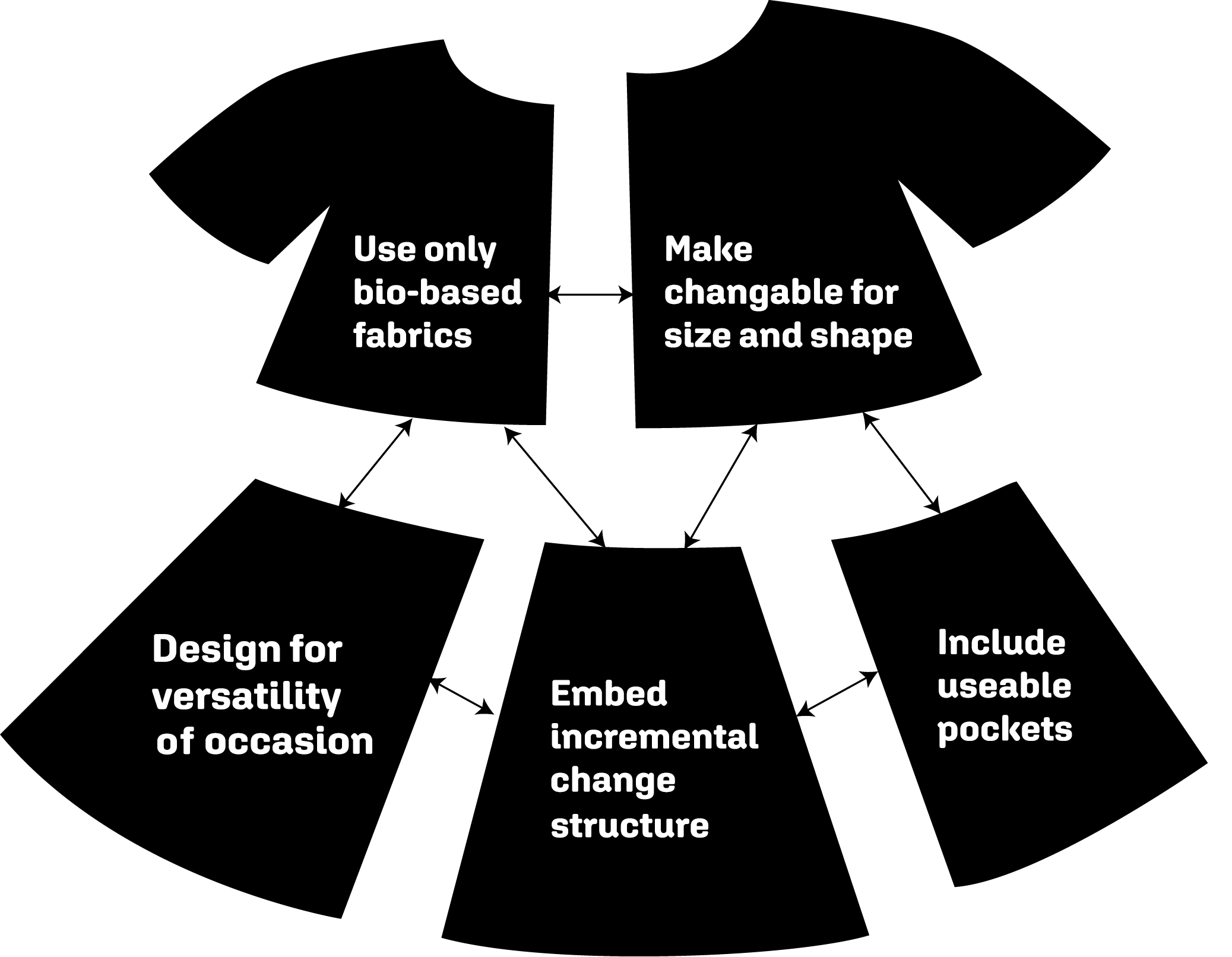
These insights informed the development of a new design brief focused on supporting active use rather than simply creating new products. The brief shifts attention from acquisition to wearing, identifying design opportunities that could help dresses remain relevant, adaptable, and frequently worn throughout their lives in the wardrobe.
This research was presented at PLATE 2025 (Product Lifetimes and the Environment), contributing to ongoing discussions about clothing longevity, wardrobe practices, and the role of design in extending garment use.
Read the conference proceedings:
Kuzmycz, A., & McCorkill, G. (2025). Idle and Active Dresses: Design Briefings from the Wardrobe. Proceedings of the 6th Product Lifetimes and the Environment Conference (PLATE2025), (6). https://doi.org/10.54337/plate2025-10427


Pocket Dress Protoype
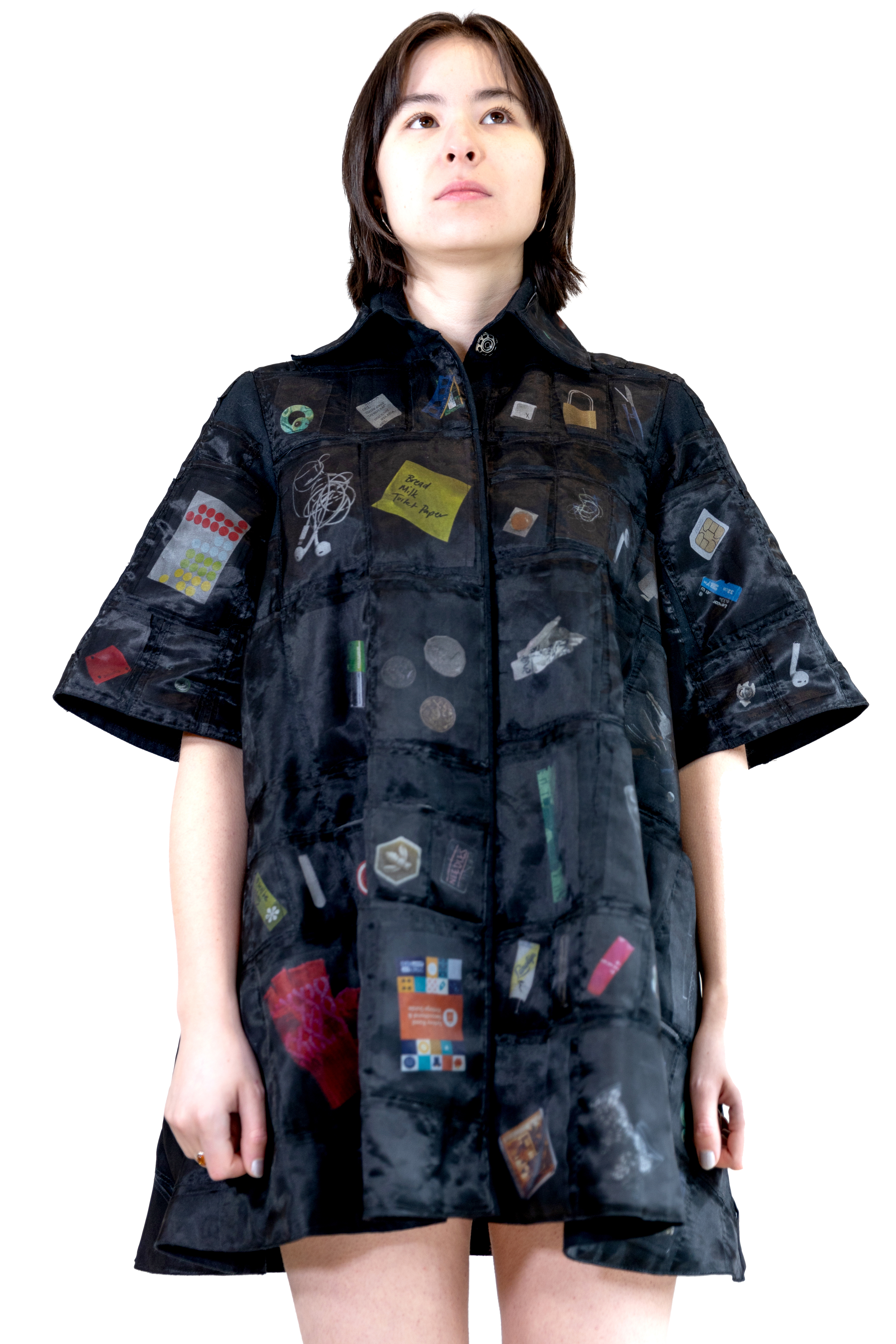
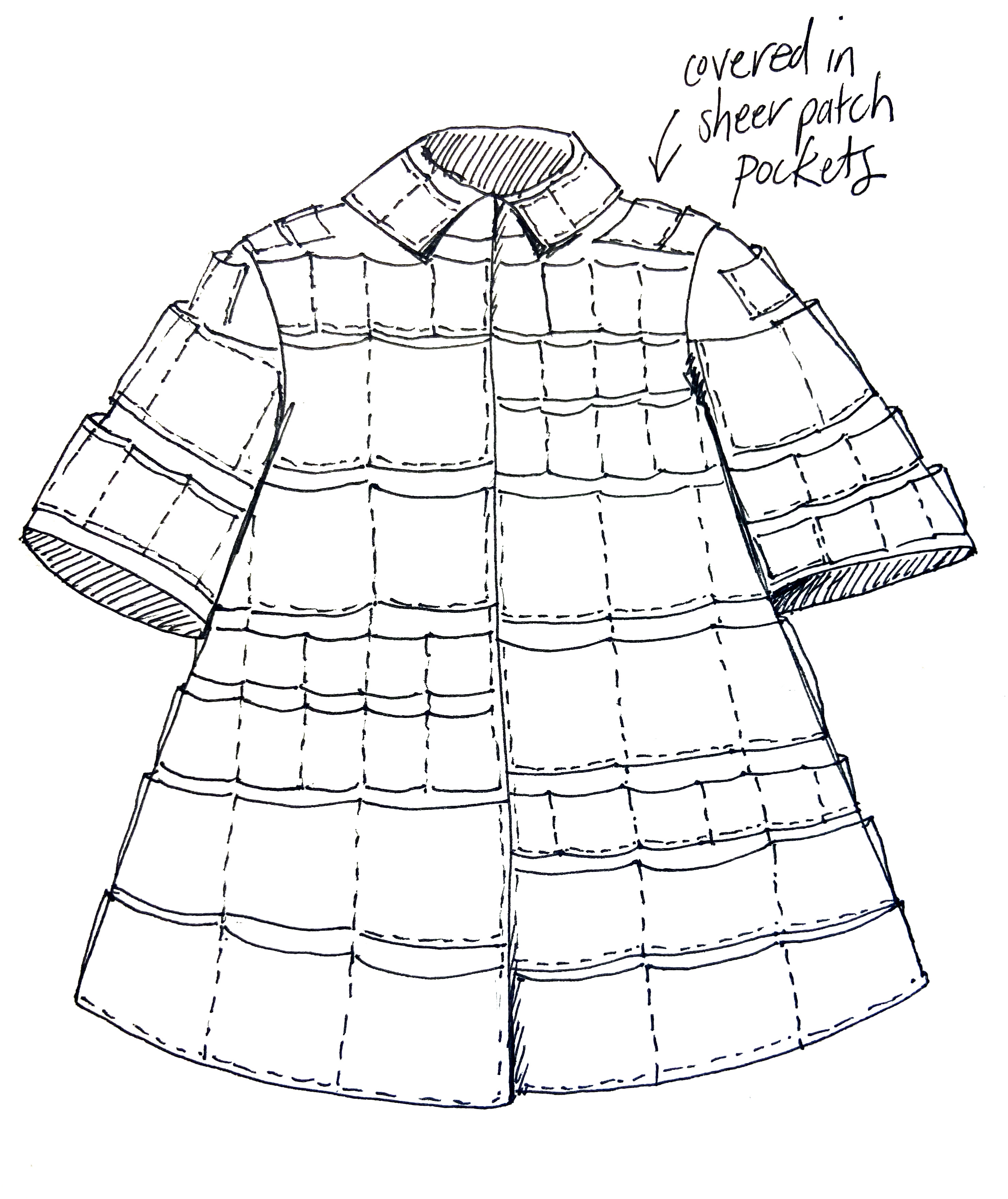
The pocket dress prototype investigates how open fashion design can support personal expression through ongoing wearer participation. Designed with a versatile A-line silhouette that could accommodate a wide range of body shapes and sizes, the prototype provided a flexible framework for customisation and change.
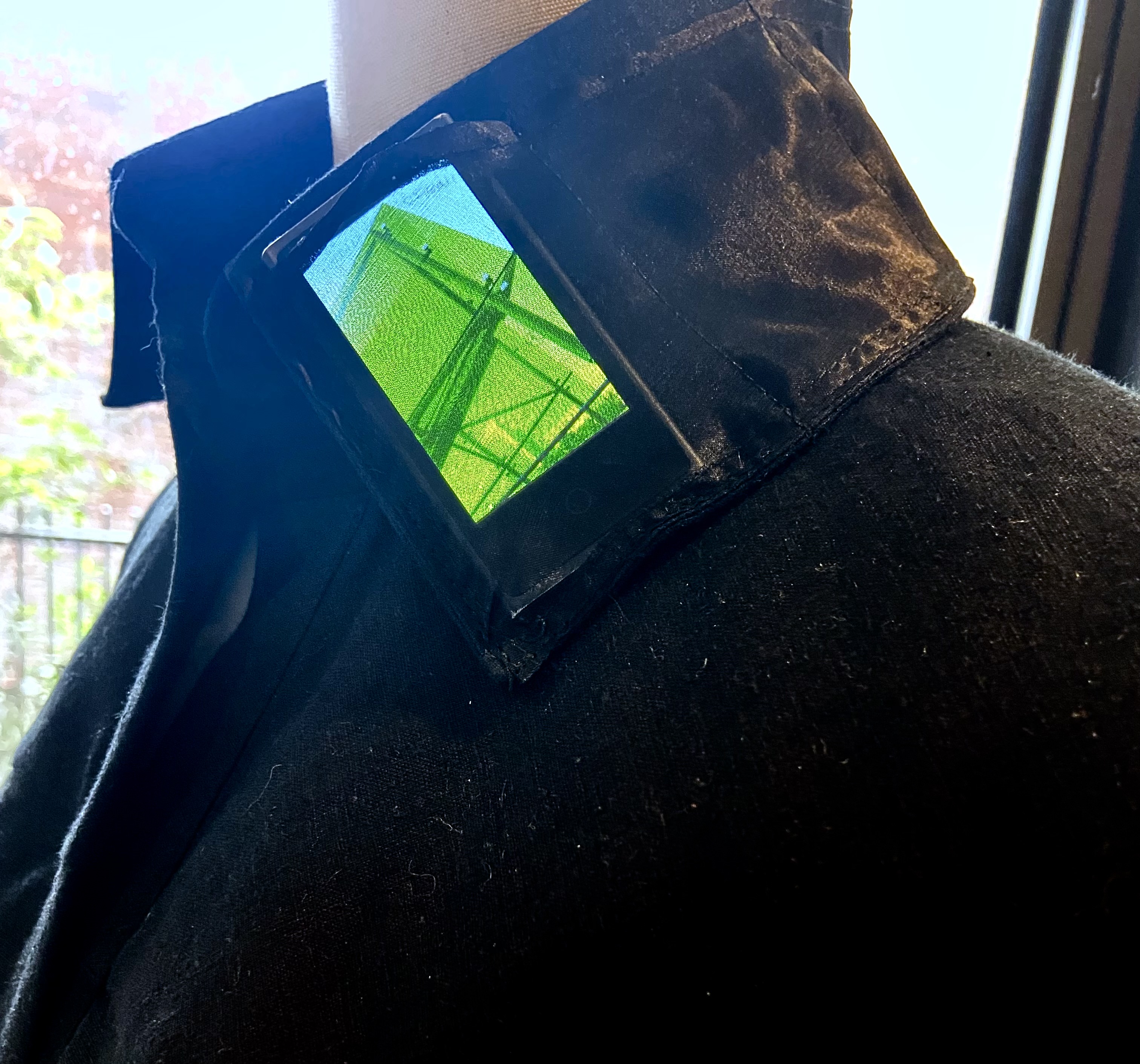
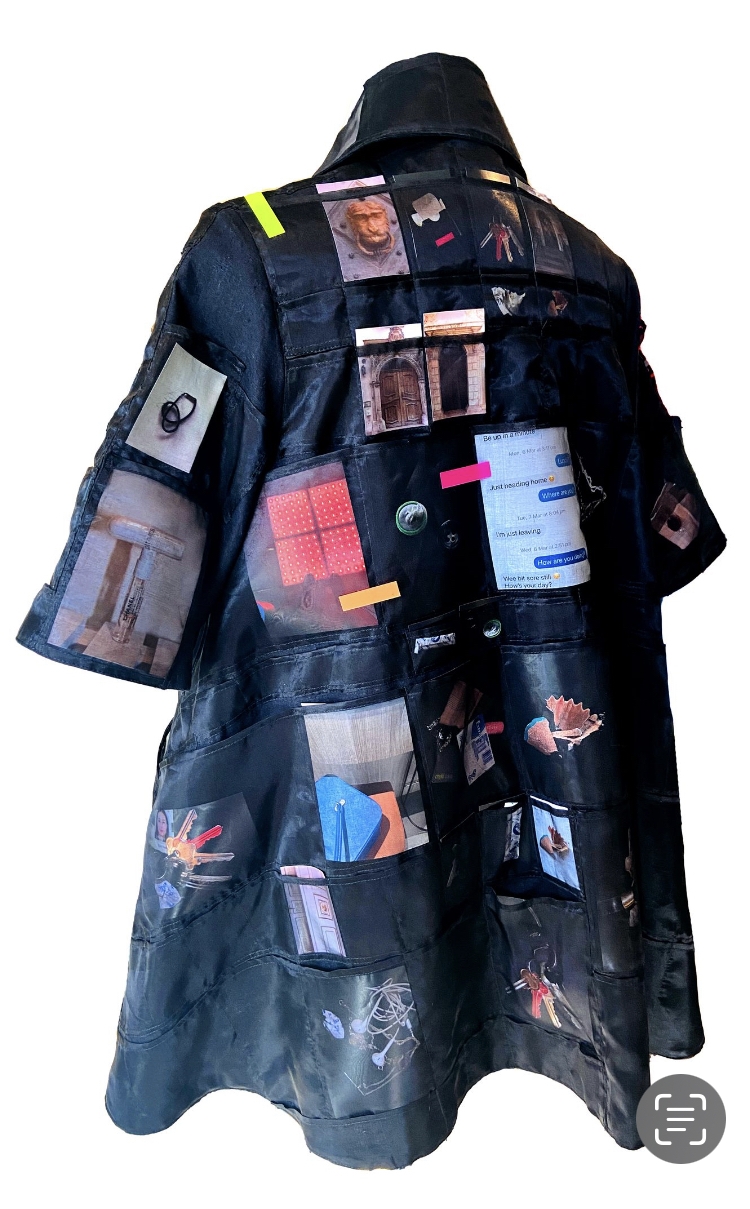
Constructed from black hemp and covered with a patchwork of sheer organza silk pockets, the dress invites wearers to curate its appearance over time. The pockets can hold personal objects, collected materials, or printed fabric inserts, allowing colours, patterns, images, and narratives to be added, removed, and rearranged with each wear. In this way, the garment becomes a platform for storytelling, self-expression, and interaction rather than a fixed design outcome.
By enabling the wearer to continually modify the visual character of the dress, the prototype challenged conventional notions of permanence in fashion and explores clothing as an evolving artefact shaped through use. As part of a broader investigation into open fashion design, the project examines how changability, personalisation, and wearer agency could foster deeper engagement with garments and support longer-lasting relationships between people and their clothes.
The pocket dress prototype investigates how open fashion design can support personal expression through ongoing wearer participation. Designed with a versatile A-line silhouette that could accommodate a wide range of body shapes and sizes, the prototype provided a flexible framework for customisation and change.
Constructed from black hemp and covered with a patchwork of sheer organza silk pockets, the dress invites wearers to curate its appearance over time. The pockets can hold personal objects, collected materials, or printed fabric inserts, allowing colours, patterns, images, and narratives to be added, removed, and rearranged with each wear. In this way, the garment becomes a platform for storytelling, self-expression, and interaction rather than a fixed design outcome.
By enabling the wearer to continually modify the visual character of the dress, the prototype challenged conventional notions of permanence in fashion and explores clothing as an evolving artefact shaped through use. As part of a broader investigation into open fashion design, the project examines how changability, personalisation, and wearer agency could foster deeper engagement with garments and support longer-lasting relationships between people and their clothes.



Zero Waste Festival - Panel Talk 2024
In 2024, I participated in a panel discussion at the Zero Waste Festival, sharing insights from my PhD research into clothing use, wardrobe practices, and fashion sustainability. The discussion explored a critical challenge facing the fashion industry: while significant attention is often given to how clothing is produced, far less consideration is given to how long garments are actually worn.
Drawing on findings from my research, I discussed the issue of garment underutilisation and the factors that influence whether clothing becomes a valued part of everyday life or remains largely unworn. Topics included wardrobe composition, wearing habits, garment longevity, and the gap that often exists between sustainable intentions and actual clothing use.
In 2024, I participated in a panel discussion at the Zero Waste Festival, sharing insights from my PhD research into clothing use, wardrobe practices, and fashion sustainability. The discussion explored a critical challenge facing the fashion industry: while significant attention is often given to how clothing is produced, far less consideration is given to how long garments are actually worn.
Drawing on findings from my research, I discussed the issue of garment underutilisation and the factors that influence whether clothing becomes a valued part of everyday life or remains largely unworn. Topics included wardrobe composition, wearing habits, garment longevity, and the gap that often exists between sustainable intentions and actual clothing use.
By bringing research findings into a public forum, the event created an opportunity to connect academic research with everyday wardrobe experiences, helping audiences consider how small changes in clothing use can contribute to more sustainable and meaningful relationships with fashion.

